
The Hidden Cost of Inconsistent Desserts in Wholesale
Inconsistent desserts quietly drive waste, extra labor, and refunds. Learn practical standards buyers can specify to protect margins and brand trust.
Variability looks small on the plate—but it hits the P&L

In a wholesale bakery program, “close enough” desserts often become a recurring food cost leak. A chocolate cake that’s slightly drier this week, a frosting layer that’s thicker next week, or slices that don’t match your menu photo can trigger a chain reaction: more comped items, more staff time “fixing” portions, and more product that expires before it sells. For multi-location operators, the problem compounds—each store improvises, and menu consistency quietly erodes.
The hidden costs are rarely booked under a single line item. They show up as waste from unsellable presentation, refunds from customers who expected last week’s experience, and labor spent re-slicing, re-boxing, or re-labeling. In retail bakery cases, inconsistency also disrupts merchandising: case fill plans and promo signage assume stable sizes and shelf life.
When desserts vary in taste, texture, portion, or appearance, buyers end up managing quality with urgent emails and last-minute substitutions—reactive operations that raise risk and reduce predictability.
Where inconsistency creates waste: portioning, shelf life, and labeling
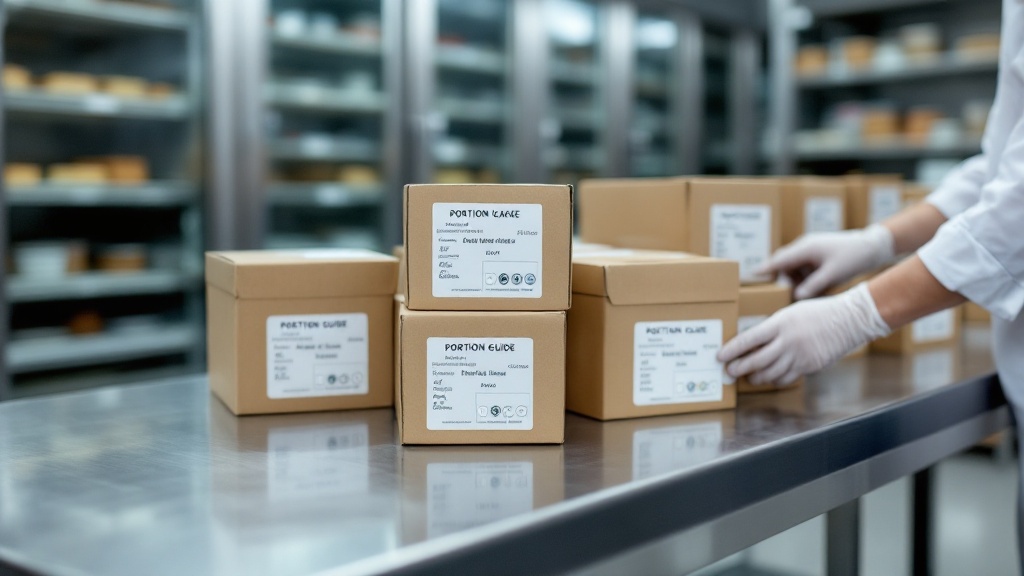
The biggest margin hits tend to cluster in three places: portioning, shelf life, and labeling. Portion drift—cakes that arrive slightly taller, denser, or softer—changes yield. If one store gets 12 clean slices and another only 10, your per-portion food cost spikes and staff start “rounding up” to avoid complaints. Even a small difference in crumb structure affects cut quality, plating time, and how long slices hold in the case.
Shelf-life surprises are next. If a cake’s moisture content or packaging seal varies, best-by expectations become unreliable. Teams either overstock (leading to waste) or understock (leading to stockouts and lost add-on sales). In retail bakery merchandising, inconsistent shelf life forces conservative pulls, shrinking your sell window.
Finally, labeling variability raises compliance and brand risk—especially for allergens and event customization. Missing nut-free identifiers or inconsistent lot tracking can trigger product holds, refund cycles, and frantic back-office work. Strong operations depend on predictable specs and traceability, not detective work after delivery.
How buyers can specify standards to protect margins (and reduce surprises)
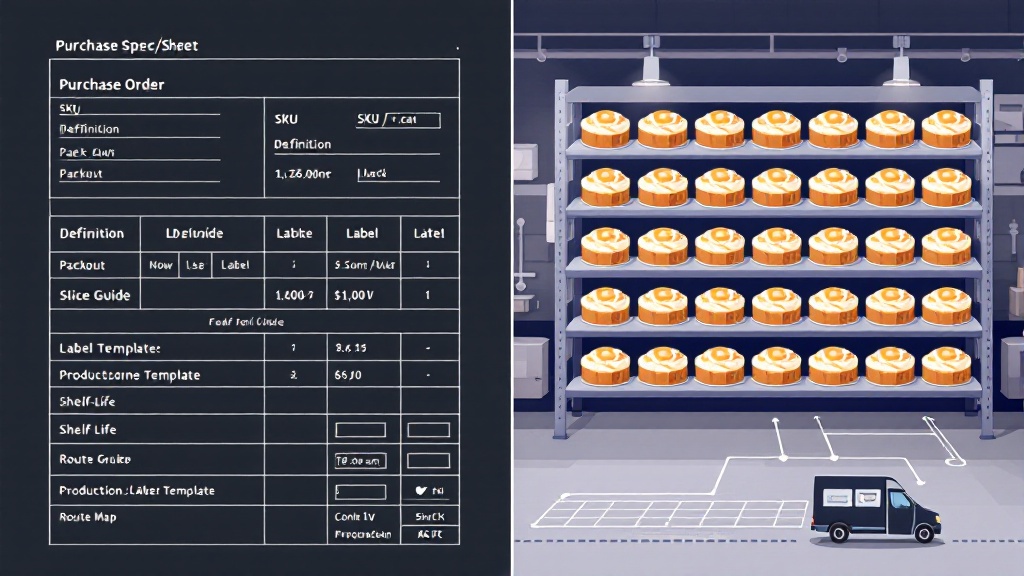
Reducing variability starts with writing dessert expectations like you would any other critical input. Define the SKU in buyer-ready terms: exact diameter/height or target weight range, frosting thickness, decoration rules, and approved substitutions. Add packout standards (box type, inserts, tamper seal) and a cut guide: expected slices per cake, slice gram range, and recommended knife/wire method. These details reinforce menu consistency across weeks and locations and make supplier performance measurable.
Next, align on shelf-life and handling: minimum remaining days on delivery, required storage temperature range, and how products should be staged for the cold chain. For allergens and events, require label templates that include allergen callouts, lot/batch reference, and best-by—consistent with your compliance needs. Ask for a change-control process: if ingredients or finishing steps change, you’re notified before it hits your stores.
Systems like CakeSupply Works are built around this mindset: standardized SKUs, controlled customization, traceable batches, and delivery workflows that reduce waste and protect food cost. For any wholesale bakery relationship, clearer specs are the fastest path to smoother operations and a stronger retail bakery experience.